


Australian family migration pathway
Adoption Visa Australia (Subclass 102)
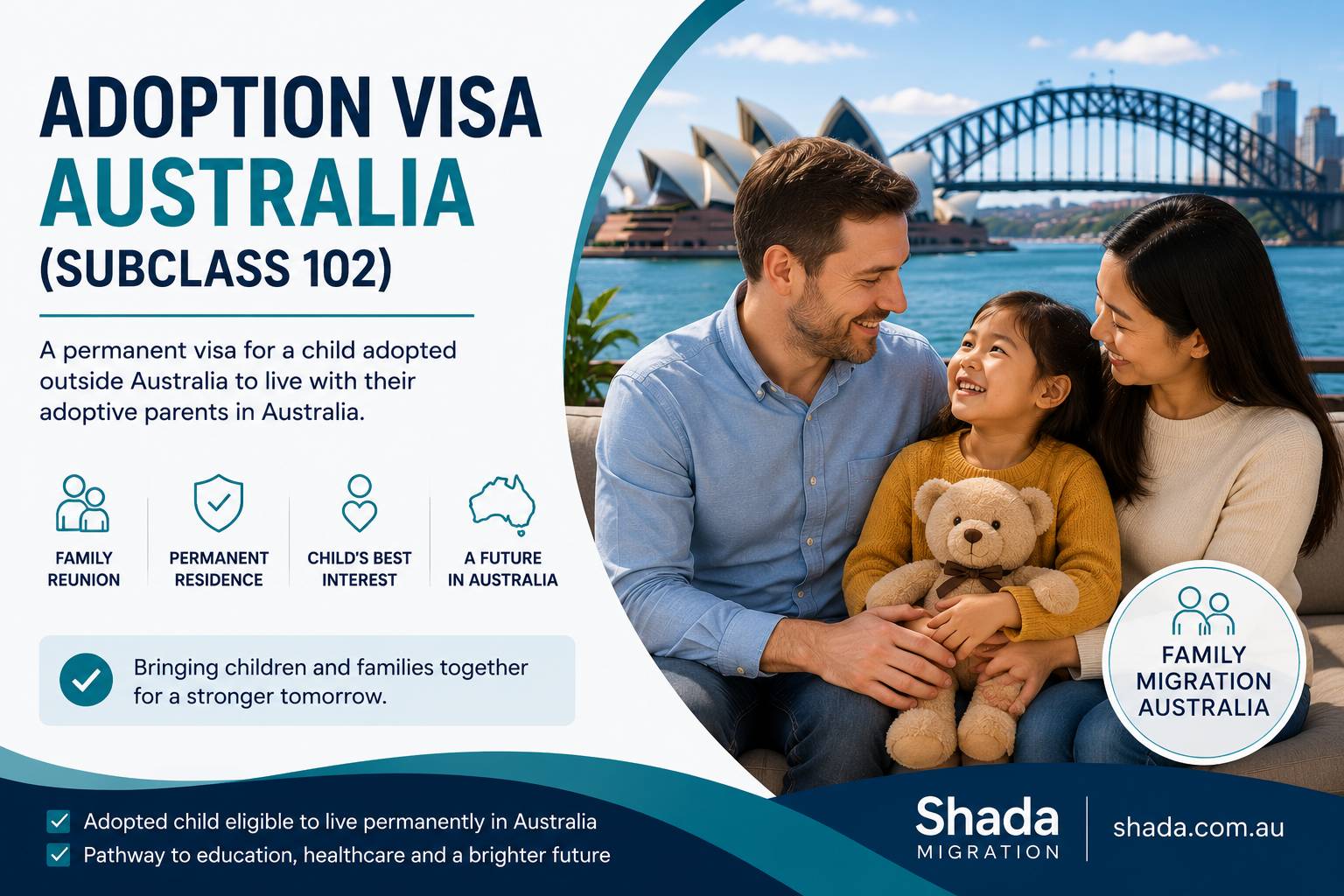
The Adoption Visa (Subclass 102) allows certain children adopted outside Australia to migrate permanently to Australia and live with their adoptive parent or parents.
This visa is designed for children who have been adopted or are in the process of being adopted by an Australian citizen, Australian permanent resident or eligible New Zealand citizen.
The Adoption Visa provides permanent residence and allows eligible children to establish their lives in Australia with their adoptive family.
- Permanent residence visa
- For eligible adopted children
- Requires eligible adoptive parent(s)
- Health and character requirements may apply
- Access to education and healthcare
- Potential pathway to Australian citizenship
- What is the Adoption Visa?The Adoption Visa (Subclass 102) is a family migration pathway that allows a child who has been adopted outside Australia to live permanently …
- Who Can Apply?The applicant must satisfy a number of legislative requirements before an Adoption Visa can be granted.
- Adoption RequirementsThe Department carefully examines whether the adoption is recognised for migration purposes and whether the adoption process complies with app…
- Eligible Adoptive ParentsAn adoptive parent generally must be an Australian citizen, Australian permanent resident or eligible New Zealand citizen.
Stage 1
What is the Adoption Visa?
The Adoption Visa (Subclass 102) is a family migration pathway that allows a child who has been adopted outside Australia to live permanently in Australia with their adoptive parent or parents.
The visa aims to facilitate family reunification while ensuring that adoption arrangements comply with Australian legal requirements and international obligations relating to intercountry adoption.
Because adoption laws vary significantly between countries, applications often require detailed documentation regarding the adoption process and the child's circumstances.
Stage 2
Who Can Apply?
The applicant must satisfy a number of legislative requirements before an Adoption Visa can be granted.
Eligible Child
The applicant must be an eligible adopted child under Australian migration law.
Adoption Requirements
The adoption must satisfy relevant legal requirements and migration criteria.
Eligible Adoptive Parent
The sponsoring parent must generally be an Australian citizen, permanent resident or eligible New Zealand citizen.
Health and Character
Relevant health and character requirements may apply.
Stage 3
Adoption, Parent, Health & Character Requirements
Adoption Visa applications require the adoption arrangement, the adoptive parent or parents, and the child’s health and character position to be assessed together. These requirements form part of the same eligibility review rather than separate application stages.
Adoption Requirements
The Department carefully examines whether the adoption is recognised for migration purposes and whether the adoption process complies with applicable legal requirements.
Supporting documentation may include adoption orders, court documents, identity documents, consent documents and evidence relating to the child's circumstances.
Applications involving intercountry adoption can be complex and often require coordination between Australian authorities and overseas adoption authorities.
Eligible Adoptive Parents
An adoptive parent generally must be an Australian citizen, Australian permanent resident or eligible New Zealand citizen.
The Department may assess the parent's relationship with the child, adoption arrangements and their ability to provide long-term care and support.
Health and Character Requirements
Applicants may need to satisfy Australia's health and character requirements before a visa can be granted.
The specific requirements depend on the child's age, personal circumstances and migration history.
Stage 4
Benefits of the Adoption Visa
The Adoption Visa provides permanent residence in Australia and allows the child to become a permanent member of their adoptive family's household in Australia.
Permanent Residence
Live permanently in Australia with adoptive parent(s).
Education Opportunities
Access Australia's education system and future study opportunities.
Medicare Access
Eligible permanent residents may access Australia's public healthcare system.
Citizenship Pathway
Eligible children may later become Australian citizens.
Stage 5
Adoption Visa Application Process
Each adoption matter is unique. However, most Adoption Visa applications involve several key stages.
Step 1
Confirm eligibility and adoption arrangements.
Step 2
Gather supporting documents and adoption evidence.
Step 3
Lodge the visa application and provide requested information.
Step 4
Visa decision and migration to Australia if approved.
Stage 6
Frequently Asked Questions
What is the Adoption Visa (Subclass 102)?
The Adoption Visa is a permanent residence visa that allows certain children adopted outside Australia to migrate to Australia and live permanently with their adoptive parent or parents.
Can any overseas adoption qualify for an Adoption Visa?
No. The Department assesses whether the adoption is recognised for migration purposes and whether relevant legal requirements have been satisfied.
Who can sponsor an Adoption Visa applicant?
The sponsoring parent is generally an Australian citizen, Australian permanent resident or eligible New Zealand citizen who has adopted, or is in the process of adopting, the child.
Do intercountry adoption rules apply?
Yes. Adoption Visa applications often involve intercountry adoption requirements, Australian state or territory adoption authorities and international adoption arrangements.
Does the child become a permanent resident?
Yes. A successful Subclass 102 applicant receives Australian permanent residence.
Can the child access Medicare and education in Australia?
Eligible permanent residents generally have access to Medicare and Australia's education system.
Can an adopted child become an Australian citizen?
Depending on the circumstances, eligible children may later acquire or apply for Australian citizenship under the relevant citizenship legislation.
Why are Adoption Visa applications often complex?
Applications frequently involve Australian migration law, adoption law, international adoption arrangements, child welfare considerations and extensive documentary evidence from multiple jurisdictions.
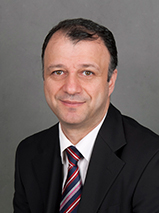
Reviewed by Mohammad Reza Azimi
Principal Registered Migration Agent at Shada Migration Services · MARN 0958292.
Next step
Get Advice About Your Family Visa Options
Family visa matters depend on the applicant, sponsor, family circumstances and supporting evidence. A consultation can help identify the appropriate pathway and the issues to address before lodgement.